

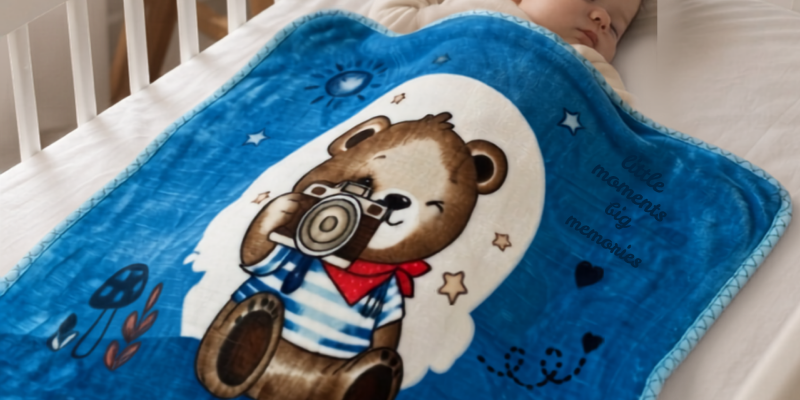
For retailers, hospitality brands, and bulk buyers, selecting a textile manufacturing partner is more than a sourcing decision—it’s a long-term business strategy. The right partner ensures consistent quality, reliable supply, and scalability, while the wrong choice can lead to delays, quality issues, and brand damage.
In an industry where consistency and trust matter, choosing the right textile manufacturer directly impacts operational efficiency and customer satisfaction.
Understanding Your Business Requirements
Before selecting a manufacturing partner, it’s important to clearly define your requirements. These may include:
- Product categories and specifications
- Expected order volumes
- Customization needs
- Delivery timelines
A manufacturer who understands your business goals can offer solutions aligned with your growth plans rather than just fulfilling orders.
Importance of Industry Experience
Experience plays a critical role in textile manufacturing. An experienced manufacturer understands fabric behavior, production challenges, and quality control processes across different use cases.
Manufacturers with long-standing industry presence are better equipped to:
- Handle bulk production efficiently
- Maintain consistency across batches
- Adapt to changing market demands
This expertise reduces risk and improves long-term reliability.
Manufacturing Capabilities and Scalability
As businesses grow, their production needs evolve. A reliable manufacturing partner should be able to scale production without compromising quality.
Key factors to consider include:
- Production capacity
- Modern machinery and infrastructure
- Skilled workforce
Scalability ensures that your manufacturer can support seasonal demand spikes, new product launches, and market expansion.
Quality Control and Consistency
Consistent quality is essential for protecting brand reputation. A strong manufacturing partner implements multi-stage quality checks, from raw material inspection to final product evaluation.
Quality control helps ensure:
- Uniform fabric texture and strength
- Consistent stitching and finishing
- Reduced defects and returns
This consistency builds trust with end customers and strengthens your brand image.
Communication and Transparency
Clear and timely communication is often overlooked but is crucial for successful partnerships. Transparent manufacturers keep clients informed about production timelines, challenges, and delivery schedules.
Strong communication leads to:
- Better planning
- Faster issue resolution
- Long-term collaboration
Long-Term Partnership Over Short-Term Pricing
While pricing is important, choosing a manufacturer solely based on cost can result in compromises elsewhere. Long-term partnerships focused on quality, reliability, and shared growth deliver greater value over time.
Conclusion
Choosing the right textile manufacturing partner is an investment in your brand’s future. Experience, scalability, quality control, and transparency are key factors that contribute to sustainable growth and operational success.
