

Bulk Textile Manufacturing: Key Considerations for Retail and Hospitality Businesses

Bulk textile manufacturing plays a vital role for businesses operating at scale. Whether supplying retail chains or hospitality properties, bulk production requires careful planning, precision, and dependable execution. Understanding the key considerations involved in bulk textile manufacturing helps businesses avoid delays, inconsistencies, and unnecessary costs. Planning Bulk Orders Effectively Successful bulk manufacturing begins with detailed planning. Clear communication of specifications—such as fabric type, size, color, and finishing—ensures accurate production outcomes. Early planning helps: Importance of Consistent Quality Maintaining consistent quality across large volumes is one of the biggest challenges in bulk manufacturing. Small variations can become significant when multiplied across thousands of units. Reliable manufacturers implement standardized processes to ensure uniformity across every batch. Customization at Scale Many businesses require customization even in bulk orders. This may include branding elements, specific color palettes, or packaging requirements. Experienced manufacturers understand how to manage customization while maintaining efficiency and quality, ensuring that large-scale production still reflects brand identity. Production Timelines and Reliability Bulk orders often operate on strict timelines, especially in retail and hospitality sectors. Delays can disrupt inventory planning and operations. A dependable manufacturer provides realistic timelines, proactive updates, and consistent delivery performance. Logistics and Packaging Proper packaging is essential for protecting textile products during transit. Secure packaging helps maintain product quality and reduces damage during shipping. Manufacturers who understand logistics requirements add value by ensuring smooth delivery and handling. Long-Term Value of Reliable Manufacturing Reliable bulk manufacturing reduces replacement costs, improves customer satisfaction, and strengthens operational efficiency. Over time, this reliability contributes to better brand reputation and business growth. Conclusion Bulk textile manufacturing requires more than production capacity—it demands precision, planning, and partnership. Businesses that work with experienced and reliable manufacturers benefit from consistent quality, dependable timelines, and long-term value.
How to Choose the Right Textile Manufacturing Partner for Long-Term Growth
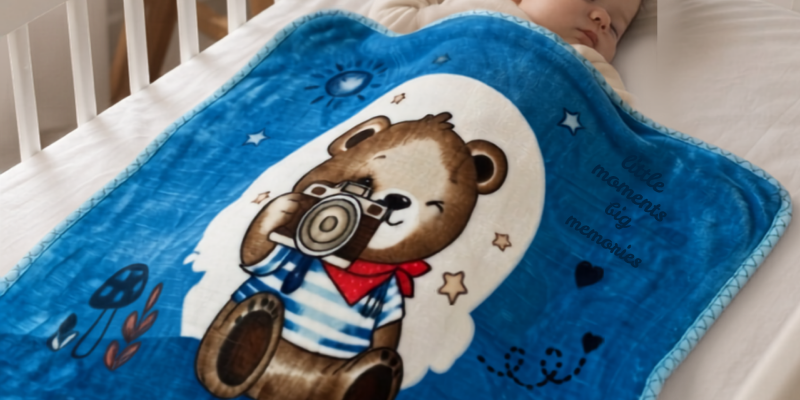
For retailers, hospitality brands, and bulk buyers, selecting a textile manufacturing partner is more than a sourcing decision—it’s a long-term business strategy. The right partner ensures consistent quality, reliable supply, and scalability, while the wrong choice can lead to delays, quality issues, and brand damage. In an industry where consistency and trust matter, choosing the right textile manufacturer directly impacts operational efficiency and customer satisfaction. Understanding Your Business Requirements Before selecting a manufacturing partner, it’s important to clearly define your requirements. These may include: A manufacturer who understands your business goals can offer solutions aligned with your growth plans rather than just fulfilling orders. Importance of Industry Experience Experience plays a critical role in textile manufacturing. An experienced manufacturer understands fabric behavior, production challenges, and quality control processes across different use cases. Manufacturers with long-standing industry presence are better equipped to: This expertise reduces risk and improves long-term reliability. Manufacturing Capabilities and Scalability As businesses grow, their production needs evolve. A reliable manufacturing partner should be able to scale production without compromising quality. Key factors to consider include: Scalability ensures that your manufacturer can support seasonal demand spikes, new product launches, and market expansion. Quality Control and Consistency Consistent quality is essential for protecting brand reputation. A strong manufacturing partner implements multi-stage quality checks, from raw material inspection to final product evaluation. Quality control helps ensure: This consistency builds trust with end customers and strengthens your brand image. Communication and Transparency Clear and timely communication is often overlooked but is crucial for successful partnerships. Transparent manufacturers keep clients informed about production timelines, challenges, and delivery schedules. Strong communication leads to: Long-Term Partnership Over Short-Term Pricing While pricing is important, choosing a manufacturer solely based on cost can result in compromises elsewhere. Long-term partnerships focused on quality, reliability, and shared growth deliver greater value over time. Conclusion Choosing the right textile manufacturing partner is an investment in your brand’s future. Experience, scalability, quality control, and transparency are key factors that contribute to sustainable growth and operational success.
The Importance of Premium Blankets in Retail and Hospitality Industries
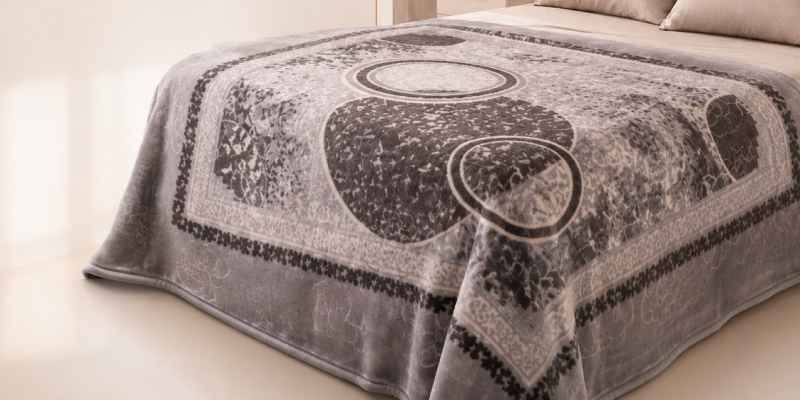
In today’s competitive retail and hospitality landscape, customer experience has become a key differentiator. While design, service, and pricing all play important roles, home textiles—especially blankets—have a direct impact on comfort, perception, and brand value. For businesses operating in retail and hospitality, investing in premium-quality blankets is no longer optional; it is a strategic decision. From hotel rooms and serviced apartments to home décor retail stores, blankets are among the most frequently used and noticed textile products. Their quality reflects not just comfort, but also durability, hygiene, and attention to detail. Why Blankets Matter More Than You Think Blankets serve both functional and emotional purposes. They provide warmth and comfort, but they also contribute to how customers feel about a brand or space. In hospitality, a well-made blanket enhances guest relaxation and sleep quality. In retail, premium blankets influence purchase decisions by conveying softness, durability, and value. Customers often associate the feel and finish of a textile product with the overall quality of the brand offering it. The Role of Quality in Retail Textiles Retail brands face increasing competition, both online and offline. Customers are more informed and more selective than ever before. Poor-quality textiles can result in: Premium blankets, on the other hand, help retailers: Consistency is especially important. Retailers rely on manufacturers who can deliver the same quality across every batch, ensuring that customers receive exactly what they expect each time they make a purchase. Hospitality Standards: Durability Meets Comfort For hotels and hospitality brands, blankets must meet higher performance standards. These products are used daily, washed frequently, and expected to maintain their softness, shape, and appearance over time. Key requirements for hospitality-grade blankets include: A high-quality blanket enhances guest satisfaction and contributes to positive reviews, repeat bookings, and brand reputation. Manufacturing Quality: What Makes the Difference The quality of a blanket depends heavily on the manufacturing process. From raw material selection to final inspection, every step plays a role in the finished product. Reliable textile manufacturers focus on: These practices ensure that blankets are not only comfortable but also consistent and reliable across large-scale production. Customization and Brand Identity Customization has become increasingly important for both retail and hospitality businesses. Brands want products that align with their identity, whether through color palettes, textures, sizes, or packaging. Custom blanket manufacturing allows businesses to: An experienced manufacturer helps guide customization without compromising quality or scalability. Bulk Orders and Supply Chain Reliability Bulk textile orders require careful coordination, planning, and execution. Delays, inconsistencies, or quality issues can disrupt operations and impact customer satisfaction. Working with a reliable manufacturing partner ensures: This reliability is especially critical for hospitality groups and large retail chains that operate on tight schedules. Long-Term Value Over Short-Term Cost While low-cost options may seem attractive initially, they often result in higher replacement costs, customer dissatisfaction, and reputational damage. Premium blankets, although slightly higher in upfront cost, offer better long-term value through durability, performance, and customer satisfaction. Businesses that prioritize quality benefit from: Choosing the Right Textile Manufacturing Partner Selecting the right manufacturing partner is one of the most important decisions for businesses dealing with home textiles. Experience, quality control, scalability, and reliability should take priority over pricing alone. A trusted manufacturing partner supports growth, adapts to evolving needs, and ensures consistent product standards over time. Conclusion Premium blankets play a vital role in shaping customer experience, brand perception, and long-term business success in both retail and hospitality sectors. Quality manufacturing, thoughtful customization, and reliable supply chains are key factors that separate ordinary products from exceptional ones. By partnering with an experienced textile manufacturer, businesses can ensure that their blankets deliver comfort, durability, and value—every single time.
